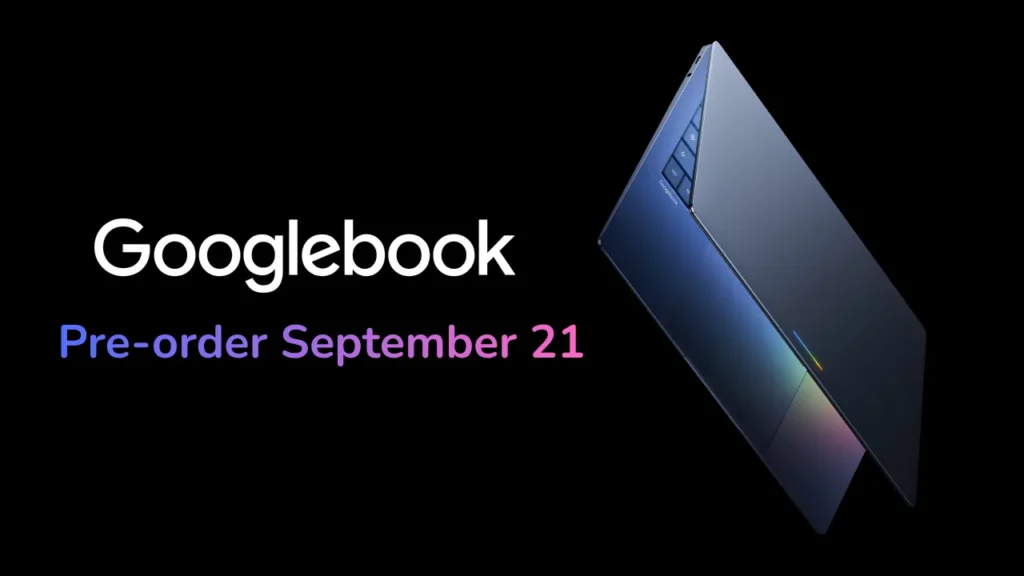
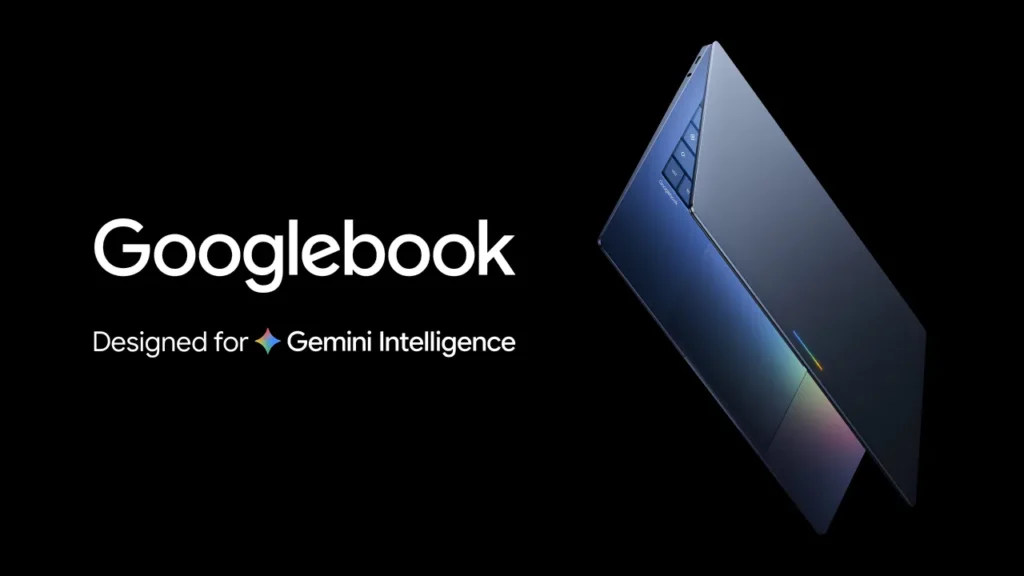
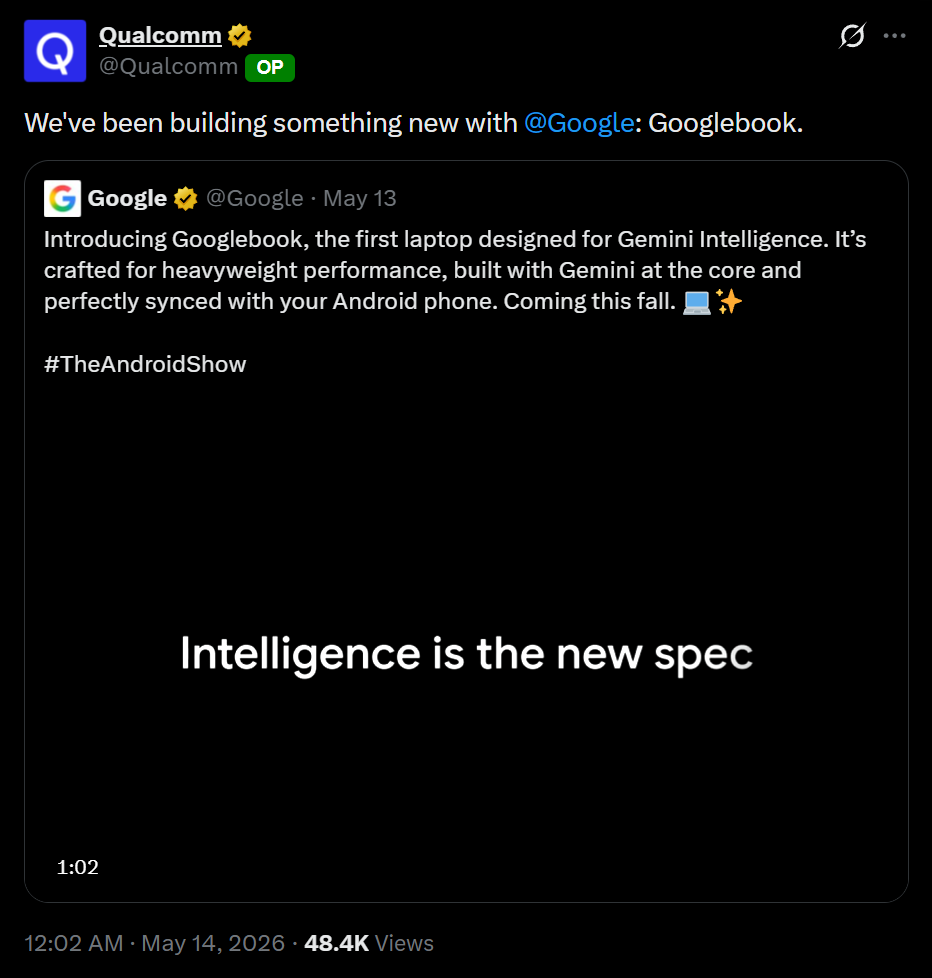
Qualcomm just made something official that nobody expected a year ago: its Snapdragon X processor line, which it had always positioned as Windows-only silicon, is heading to Google’s brand-new Googlebook — the Chromebook successor running Aluminium OS. The confirmation arrived via Qualcomm’s official Instagram and a briefly-posted then-deleted message from CMO Don McGuire, and it signals far more than a single laptop partnership.
This is the first time a Snapdragon X chip will power a device that doesn’t run Windows.
Table of Contents
Three Devices Are Already Being Built
What the social media announcements don’t tell you is that the hardware pipeline behind this has been quietly taking shape for months. Chromium Gerrit watchers have already tracked three boards — codenamed Quenbi, Quartz, and Mica — all built on a shared baseboard called Bluey, and all targeting the Snapdragon X Plus processor for Aluminium OS devices.
These Bluey-based devices are also getting Google’s iconic lightbar — the same premium hardware marker that once distinguished Pixel-branded Chromebooks — confirming Google is enforcing a high-end hardware standard across the entire Snapdragon family, not leaving it to individual OEMs to decide.
There’s also a wildcard sitting further down the pipeline. A newer development board, codenamed Calypso and based on the reference platform Mensa, has appeared in Gerrit and is believed to feature a more powerful next-gen Qualcomm SoC. Whether Calypso ships alongside the Bluey devices at launch or follows later remains unclear, but it suggests that Qualcomm and Google are already thinking beyond fall 2026.
Why the NPU Matters More Here Than on Windows
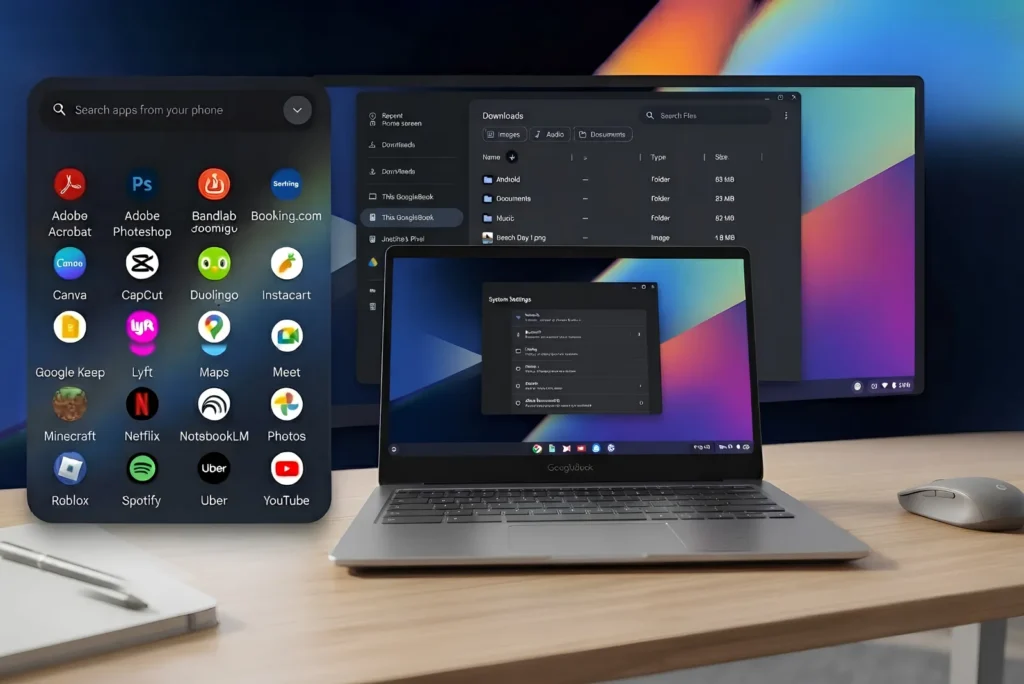
The Snapdragon X’s defining feature is its NPU — a Neural Processing Unit that handles AI inference directly on the device rather than routing requests to remote servers. On Aluminium OS, that hardware capability connects directly to Google’s Gemini intelligence layer, which is embedded into the operating system itself rather than functioning as a separate app.
The difference from Windows Copilot+ PCs is architectural. On Aluminium OS, there is no compatibility container. ChromeOS ran Android apps through ARC (App Runtime for Chrome), a layer that padded app behaviour but capped performance. Aluminium OS runs Android 17 natively — meaning the full weight of on-device Gemini features is pushed to the NPU without an intermediary layer slowing things down.
A Three-Pillar Hardware Strategy
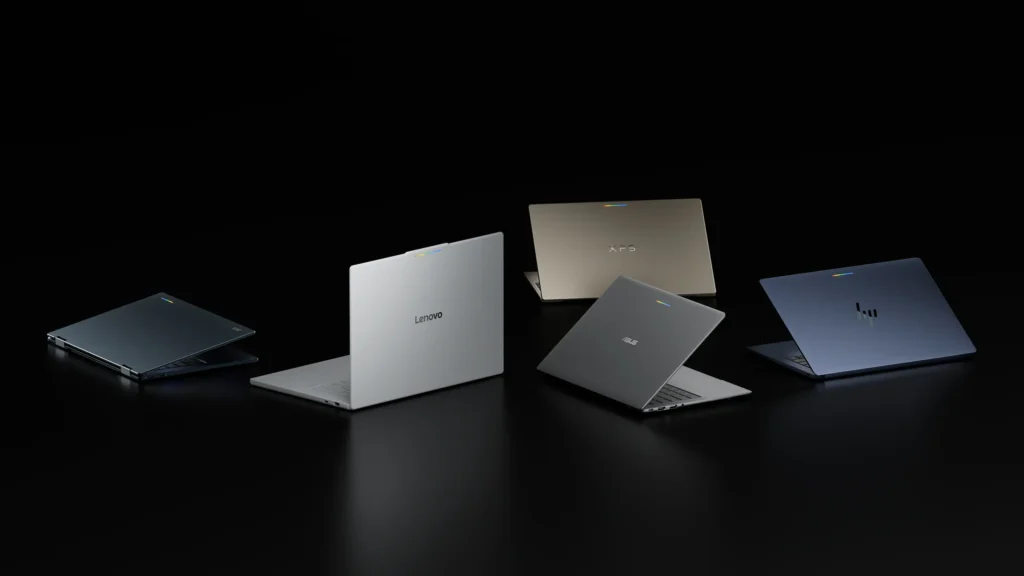
Googlebook will ship with chips from Qualcomm, Intel, and MediaTek, confirmed by Google VP John Maletis. Each pillar targets a different segment: Intel’s Ruby boards for the performance-workstation crowd, MediaTek’s Sapphire for thin-and-light and tablet form factors, and Qualcomm’s Bluey family for the NPU-forward AI flagship tier. All three carry the lightbar. All three are designed for Aluminium OS.
OEM partners confirmed at launch include Acer, ASUS, Dell, HP, and Lenovo, spanning traditional laptops, detachables, tablets, and mini-desktop boxes. Samsung is building separately, with a custom One UI Book 9 skin on top of the same platform.
The Pricing Problem Nobody Is Talking About
Snapdragon X Plus Windows laptops currently range from $700 to $1,200. Positioning Bluey-based Googlebooks at similar prices puts them in direct competition with the MacBook Air and the Surface Laptop — devices backed by significantly deeper software ecosystems. The lightbar signals premium intent. Whether buyers follow depends on Google demonstrating that Aluminium OS is a platform, not a pivot.
Aluminium OS is scheduled to be released in the fall of 2026. Google clarified that “Aluminium” is a development codename and a final consumer-facing name will be announced later in the year. What won’t change: five major PC makers are building hardware, Qualcomm has committed its best laptop silicon, and the on-device AI story is no longer an add-on — it is the product.