Fifteen years ago, Google bet that your next laptop didn’t need a traditional OS — it just needed a browser and a cloud connection. The Chromebook won that bet, quietly becoming the default machine in schools and budget offices worldwide. Now Google is making the same kind of disruptive call again, except this time the bet isn’t on the cloud. It’s on Gemini.
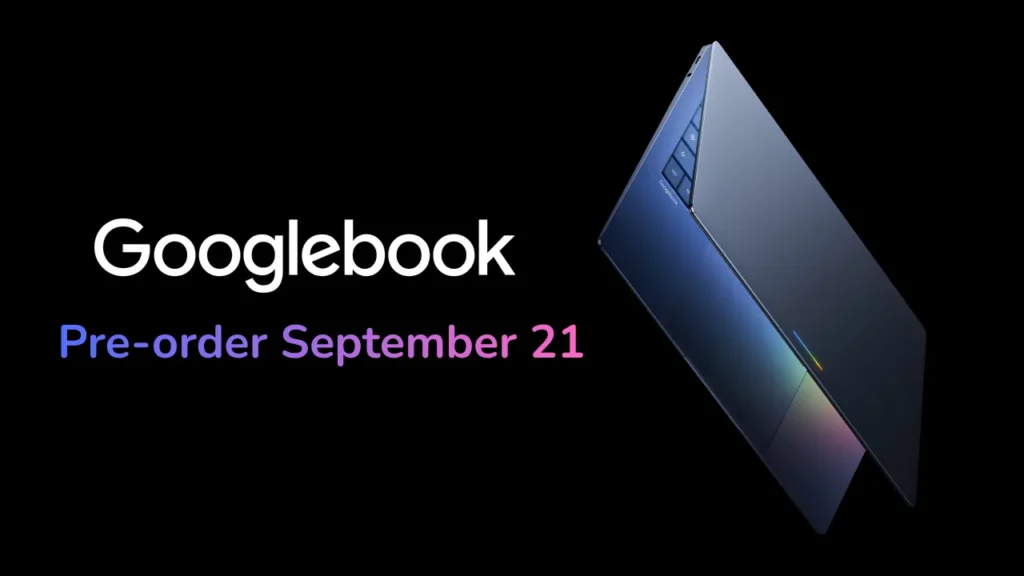
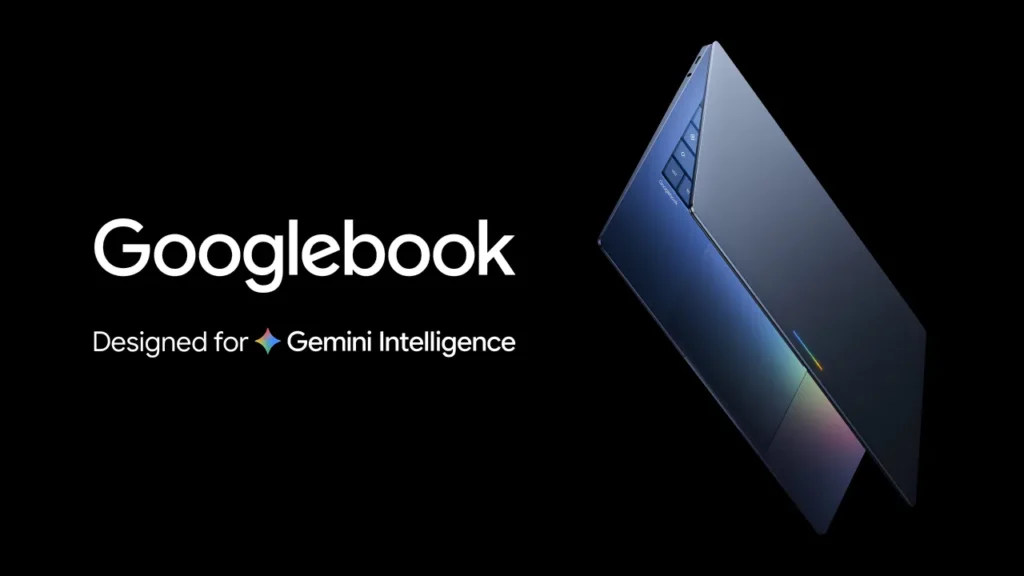
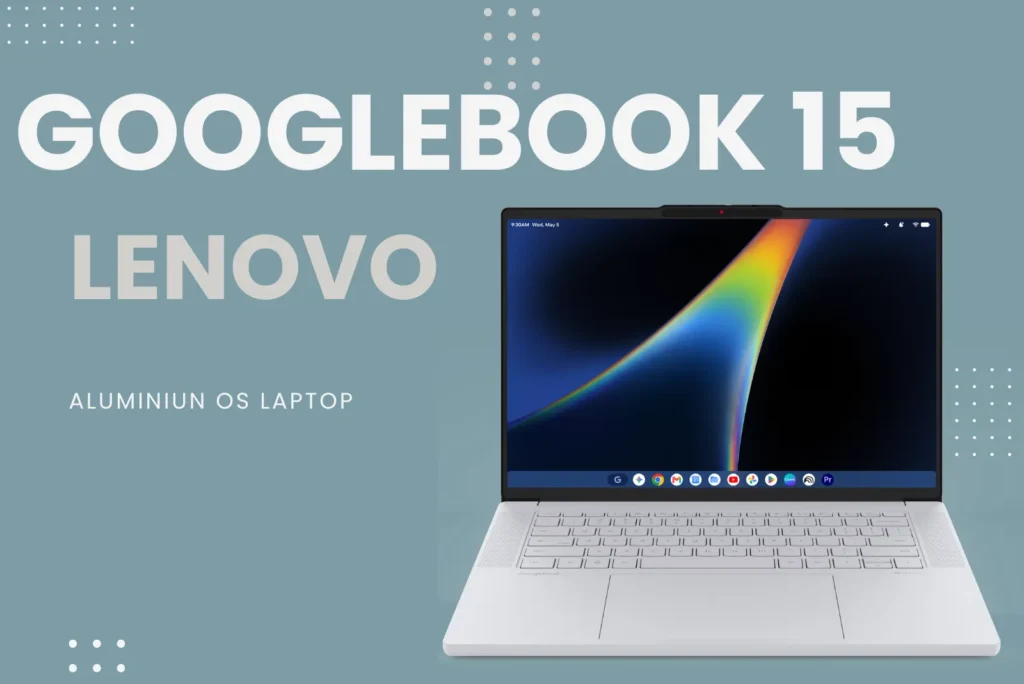
Announced on May 12 at The Android Show: I/O Edition, Googlebook is a new category of laptops that merges the best of Android — including the full Google Play app library — with ChromeOS’s Chrome browser, all with Gemini AI baked into the architecture, not bolted on as a feature. The announcement was made by Senior Director for Laptops and Tablets, Alex Kuscher, and it signals a deliberate philosophical shift inside Google.
What nobody is talking about yet: the centerpiece of Googlebook isn’t an AI assistant in a sidebar or a chat window. It’s the cursor.
Table of Contents
The Cursor Gets Its First Real Upgrade Since Right-Click
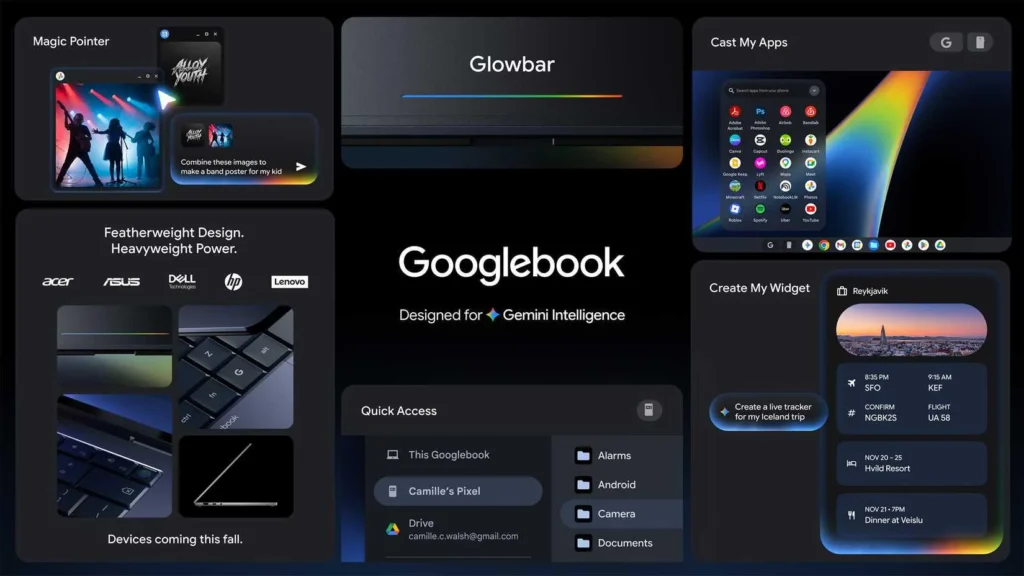
Google is calling it Magic Pointer, and it was built in collaboration with the Google DeepMind team. Wiggle the cursor, and it activates Gemini, surfacing contextual suggestions based on what’s actually on your screen — hover over a date in an email to instantly schedule a meeting, or select two images like a photo of your living room and a new couch to get a real-time visualization of how they’d look together.
That’s a fundamentally different interaction model. Instead of opening a new app or typing a query, you point at the thing you’re thinking about, and the AI comes to you. Google’s framing is blunt: the cursor is the most-used tool on your laptop and hasn’t seen a meaningful upgrade since right-click was introduced. Magic Pointer is their answer to two decades of stagnation.
Your Phone Is Now Part of the Laptop
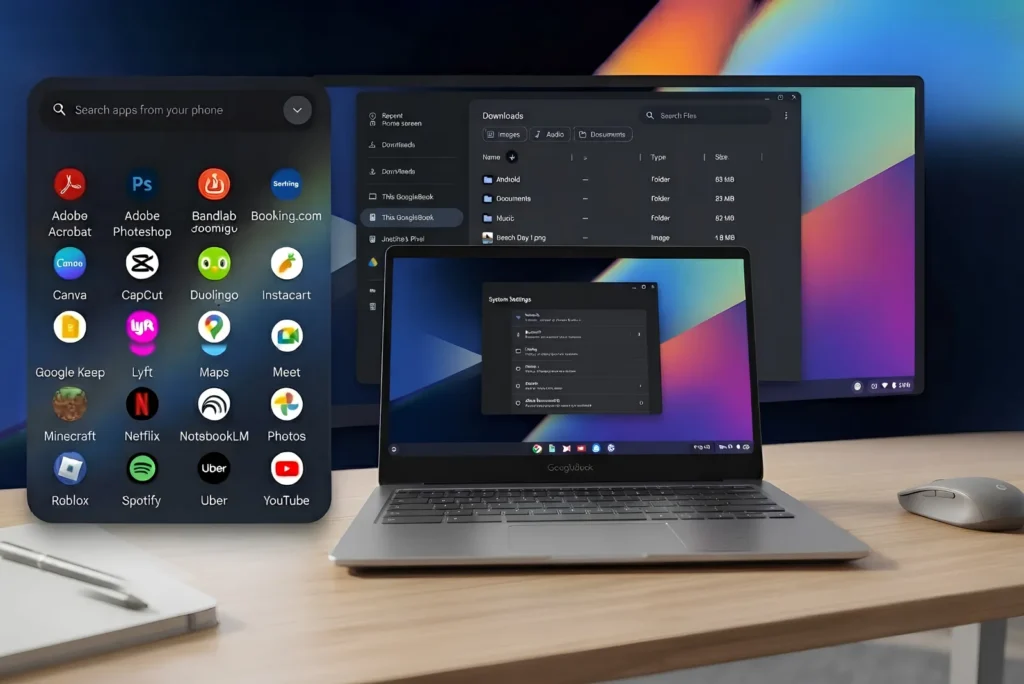
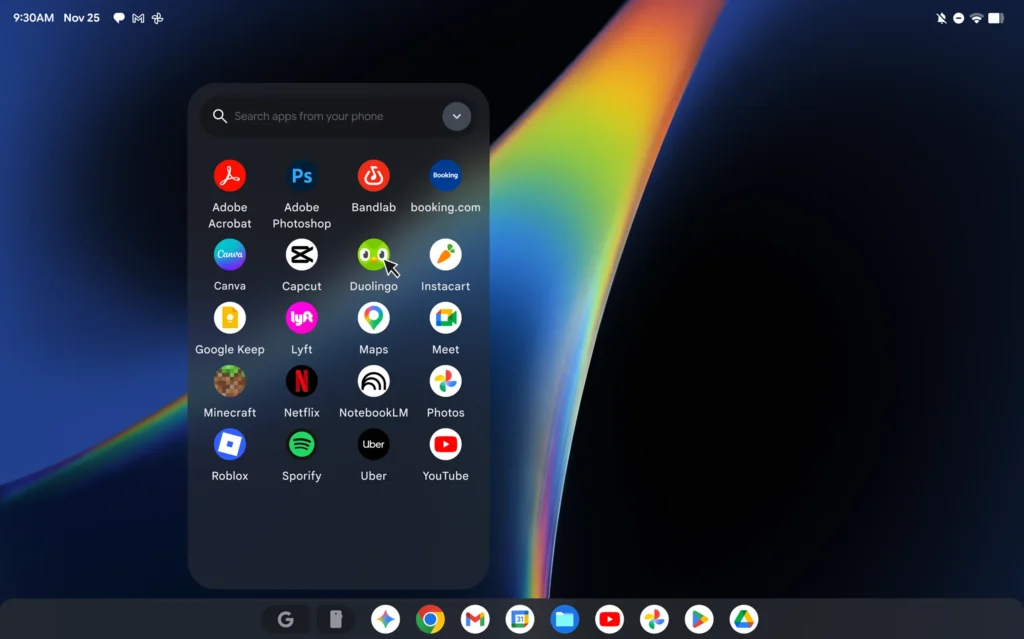
Cast My Apps lets users open phone apps directly on the laptop screen, while Quick Access lets users browse, search, and insert files from an Android phone via Google Drive’s file browser — no manual transfers required. If you need to place a food order mid-workflow or knock out a Duolingo lesson, the phone app just appears in context on the laptop display.
Create Your Widget rounds out the software story: prompt Gemini to build a custom desktop widget that pulls from Gmail, Calendar, or the web — say, a travel dashboard combining flights, hotel details, restaurant reservations, and a countdown for an upcoming trip — all surfaced in one personalized spot.

Premium Hardware, a Glowbar, and Five Major OEM Partners
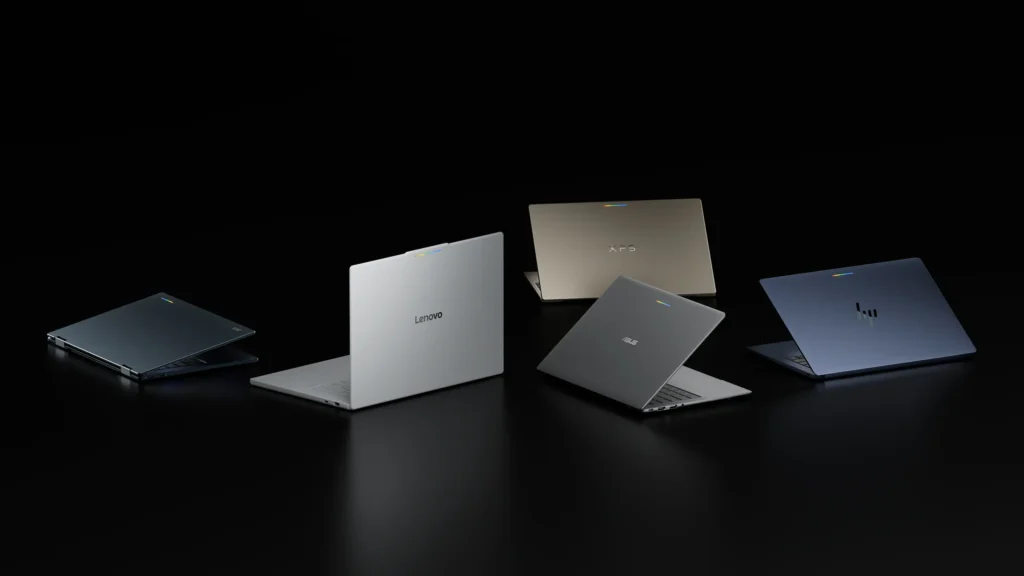
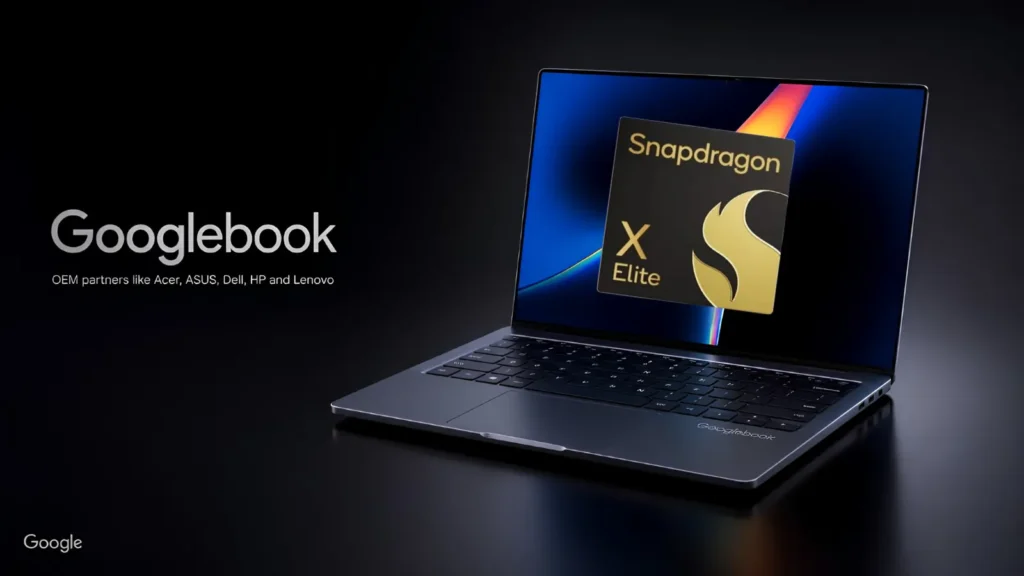
Google is working with Acer, ASUS, Dell, HP, and Lenovo on the first Googlebooks. Every device will carry a distinctive “Glowbar” light strip — described as both functional and beautiful — though Google has yet to specify exactly what the bar does beyond serving as a hardware identifier for the platform. Devices arrive this fall.
What Happens to Your Chromebook?
Google told The Verge that Chromebooks will continue to launch after Googlebook, and existing devices will remain supported under their current update commitments — up to 10 years of automatic security updates for Chromebooks released in 2021 or later. So this isn’t a forced migration, but it is a clear signal about where Google’s development energy is heading.
The Bigger Picture: Google vs. Microsoft vs. Apple
The announcement lands as Apple has introduced a lower-cost MacBook Neo and Microsoft has struggled to gain traction with its Copilot+ PC vision. Google is entering that race not with a spec sheet but with an argument: that the right way to build an AI laptop is to make the AI invisible — ambient, context-aware, summoned by a wiggle of the cursor rather than a dedicated button or a separate app.
Whether that argument holds up in real-world use, and whether the Googlebook can crack the premium market where Chromebooks never really competed, depends entirely on what falls on launch day. Pricing, battery life, and how well Magic Pointer actually reads context on messy, real-world screens will determine whether this is a genuine platform shift — or just a well-branded rebrand.
Either way, the Chromebook era is functionally over. The age of the intelligence-first laptop has started.