Aluminium OS hasn’t reached mainstream enterprise fleets yet, but one mobile device management vendor is already preparing for it.
Swif MDM has announced preliminary management support for Google’s Android/Linux based desktop platform, with work underway to determine how Aluminium OS devices fit into an enterprise fleet alongside Windows, macOS, Linux, ChromeOS and Android.
That matters because Aluminium OS creates a device management problem that doesn’t fit neatly into any existing category. It runs on the Linux kernel. It targets laptops and desktop-class hardware. But underneath, the operating system is Android. And that changes how IT has to think about managing it.
Table of Contents
This Isn’t Just Another Linux Distribution
Calling Aluminium OS “Linux” is technically true in the same way that calling an Android phone a Linux device is technically true.
It doesn’t tell you much about how the machine is actually managed.
Traditional Linux MDM usually depends on an endpoint agent interacting directly with the operating system: users, processes, packages, services, files, networking and security configuration.
Android management works differently. Android Enterprise revolves around device policies, managed applications, application permissions, certificates, security state and Google’s enterprise management APIs.
Aluminium OS sits somewhere between those worlds.
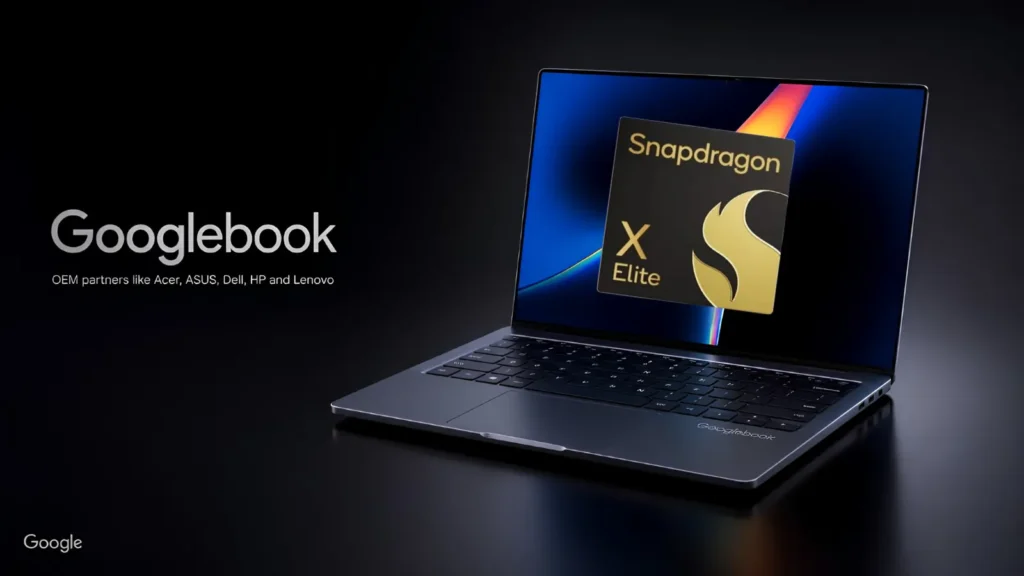
A Googlebook may have an Intel or Qualcomm processor, 32GB of memory, a full keyboard and an external monitor connected to it, but administrators shouldn’t expect to manage it exactly like an Ubuntu laptop.
Swif UEM’s approach is interesting because it already operates on both sides of that divide.
Swif Already Manages Android and Linux
Swif has its own Linux MDM implementation covering common distributions and both x86_64 and ARM64 devices.
It also supports Android Enterprise, managed applications and its own Android security agent.
Aluminium OS gives those two systems somewhere new to meet.
Instead of simply adding “Aluminium” to a list of supported Linux distributions, Swif says it is treating the platform as a distinct endpoint class and evaluating which management functions should be handled through Android APIs, which can be handled through an endpoint agent, and which will require Aluminium-specific work.
That distinction will become increasingly important if Android really does become a mainstream desktop operating system.
Android MDM Is About to Mean Something Different
Android management has traditionally meant phones, tablets, scanners, kiosks and other mobile or dedicated devices. Aluminium OS changes that.
Now, an Android endpoint can potentially be an employee’s primary computer. That means IT departments are going to expect desktop-class management capabilities: hardware and software inventory, application deployment, compliance checks, certificates, Wi-Fi and VPN configuration, OS update visibility, security posture, remote administration and policy enforcement.
The operating system may be Android, but the management expectations are Windows and macOS-sized. That is a much bigger shift than simply getting the Play Store onto a laptop.
Support Is Still Preliminary
There is an important caveat here.
Swif is calling its Aluminium OS support preliminary, not production-ready. Google is still defining the platform’s enterprise story, and some of the most important questions around device management remain unanswered.
Exactly which Android Enterprise controls will carry over to Googlebooks? How much low-level access will third-party management agents receive? Will Google expose new desktop-specific management APIs? And how closely will Aluminium’s enterprise controls resemble those already available on ChromeOS?
Those answers will determine what full MDM support ultimately looks like.
Swif is currently evaluating device enrollment, inventory, application management, security and compliance reporting, certificates, network configuration, remote administration, update management and policy enforcement.
The Bigger Picture
The interesting part isn’t really that another operating system is being added to an MDM compatibility list.
It’s that the boundaries between Android, Linux and the traditional PC are disappearing.
Aluminium OS is Android running as a real desktop platform across ARM and x86 hardware. That means endpoint-management vendors now have to think about Android as a workstation operating system rather than just a mobile one.
Swif appears to be preparing for that transition early.
You can read Swif.ai’s full technical announcement here.