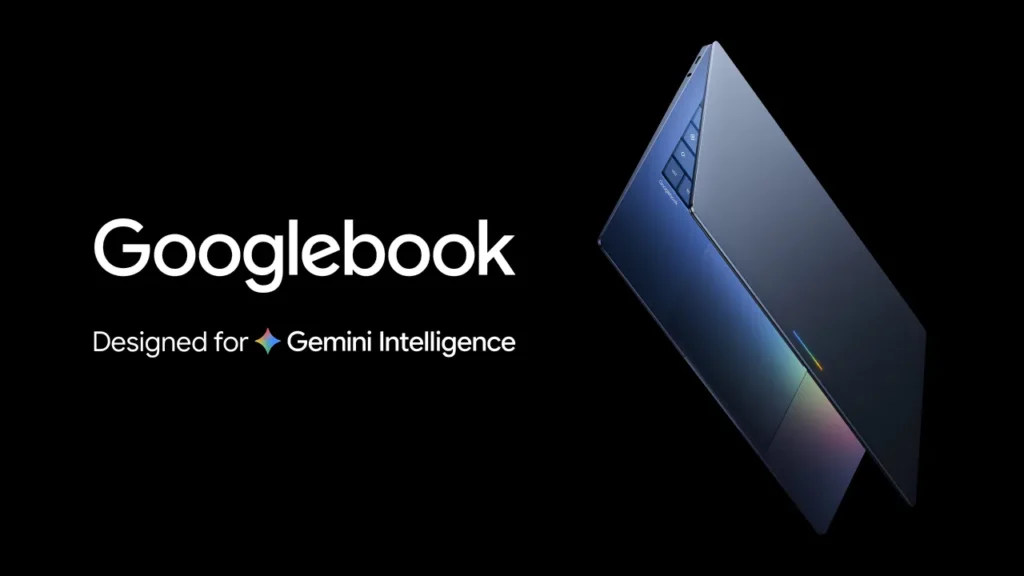
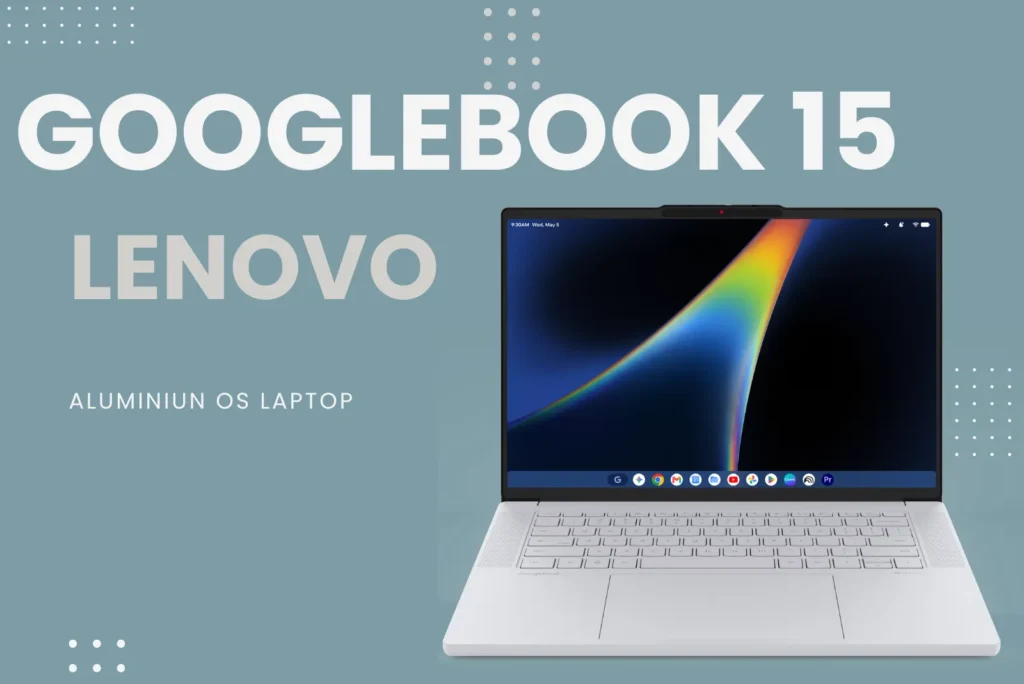
When a community event page names your platform before Google does, that’s not a leak. That’s adoption.
A GDG Nuremberg recap event scheduled for May 21 listed “Googlebook & Aluminium OS” in its session agenda — describing it as “Google’s new premium laptop category and the merged Android/ChromeOS platform underneath it.” This wasn’t a press briefing. It wasn’t a Google-issued talking point. It was a volunteer-organized developer meetup in Germany deciding, without guidance from Mountain View, that Aluminium OS is real enough to build an evening’s worth of discussion around.
That is worth pausing on.
Google developer communities don’t put speculative platforms on their agendas. They put things that developers actually need to prepare for. The GDG Nuremberg team isn’t talking about Aluminium OS because it sounds interesting — they’re talking about it because Android developers attending that session will have to make real decisions about large-screen layouts, app compatibility, and API targeting before Fall 2026. The platform is already shaping engineering roadmaps, even before a single retail device ships.
Table of Contents
What the Developer Community Is Actually Being Asked to Prepare For
Android 17 is the release when Google finally requires developers to support big-screen devices like Googlebook with sophisticated automatic layouts — and that requirement lands whether or not a developer has ever thought about Aluminium OS before. This is how platform adoption actually works. It doesn’t start with consumers buying devices. It starts with developers being forced to support the new surface area, after which consumer adoption follows naturally because the apps work.
The GDG session question — “what’s the testing matrix?” — is the right question. Unlike Googlebook, which is a hardware category manufactured by third-party partners, Aluminium OS is the underlying platform layer for Android-on-desktop experiences. That distinction matters enormously for anyone writing software. You’re not targeting a device. You’re targeting a platform. And that platform, right now, has a name the developer community has already adopted regardless of what the consumer packaging eventually says.
Why This Time Is Structurally Different From Every Android Laptop Attempt Before
Previous attempts ran Android inside ARC — an App Runtime for Chrome — a translation container built on top of Chromium OS. Apps performed poorly, crashed frequently, lacked keyboard and mouse awareness, and resized incorrectly. Aluminium OS has no container. The OS is Android. Apps are native. The window manager, multitasking, and AI integration are built into the platform core, not retrofitted.
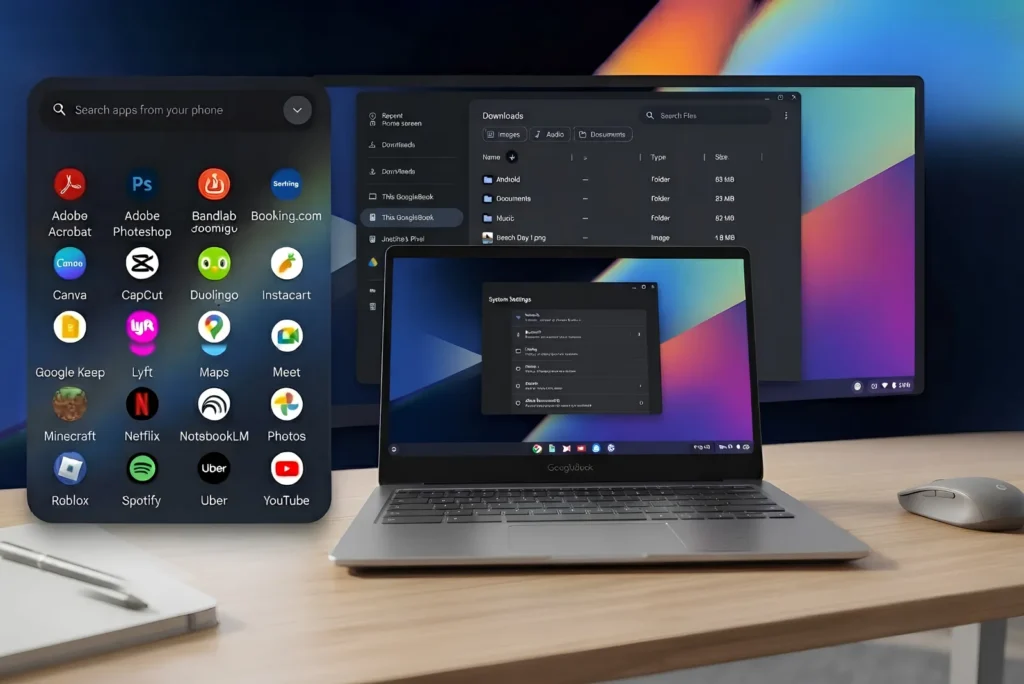
That change is not cosmetic. The entire history of Android on Chromebooks failing — the Play Store integration that looked exciting in 2016 and quietly became a cautionary tale — traces back to that ARC container. Every app ran in a compatibility layer that was never designed for the keyboard-and-mouse environment. Aluminium OS eliminates the translation step. It is Android 17, rebuilt as a genuine desktop platform with a custom window manager, real multitasking, Gemini AI at OS level, and a built-in Linux environment. It is designed to compete with Windows and macOS across all market segments, not just K-12 education.
The Platform Tiers Nobody Is Covering Yet
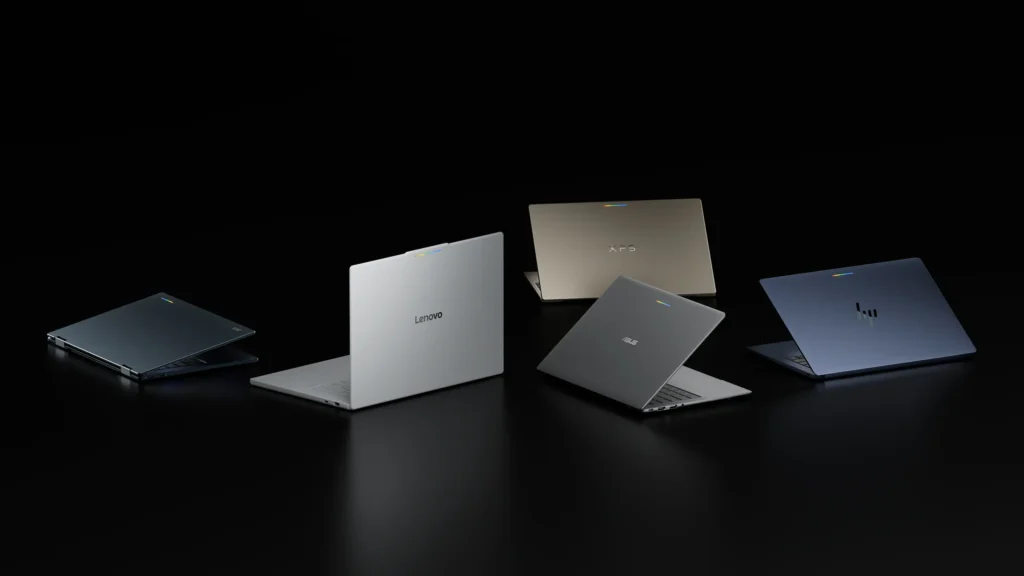
Most coverage focuses on the Googlebook hardware announcement. Less attention has gone to what the platform tiers actually reveal about Google’s ambitions. Devices will span multiple tiers: “AL Entry” for budget education devices, “AL Mass Premium” for mainstream consumers, and “AL Premium” for high-end professional users. Form factors include traditional laptops, detachables, tablets, and mini-desktop boxes — the equivalent of current Chromeboxes. Hardware will run on both ARM processors like Qualcomm Snapdragon X-class chips and x86 processors from Intel and AMD.
That tier structure is a direct statement of intent. Google is not building a Chromebook replacement. It is building a platform designed to sit at every price point where Windows currently sits — including the professional tier that Chromebooks never seriously competed in.
The Unanswered Questions That Will Define Aluminium OS’s Actual Trajectory
The developer community enthusiasm and the hardware partner lineup are real. But a proposed class action filed in November 2025, Thele v. Google LLC, alleges that Google secretly enabled Gemini across all Gmail, Chat, and Meet accounts without user consent, giving Gemini access to users’ entire recorded email history with an opt-out buried in account settings. Googlebook, built around Gemini Intelligence at the OS level, deepens the data-access footprint at the center of that case.
An operating system where AI is genuinely woven into every layer — where the cursor itself is a Gemini entry point — will face harder scrutiny than a chatbot sidebar. How Google handles transparency around what Gemini sees, processes, and retains at the OS level is not a privacy footnote. It is the central trust question that will determine whether Aluminium OS wins mainstream adoption or stalls at the enthusiast tier.
The developer community that named this platform in their event agenda before Google named it in a press release is the same community that will decide whether to build for it seriously. Right now, the signal from GDG Nuremberg is clear: they already are.