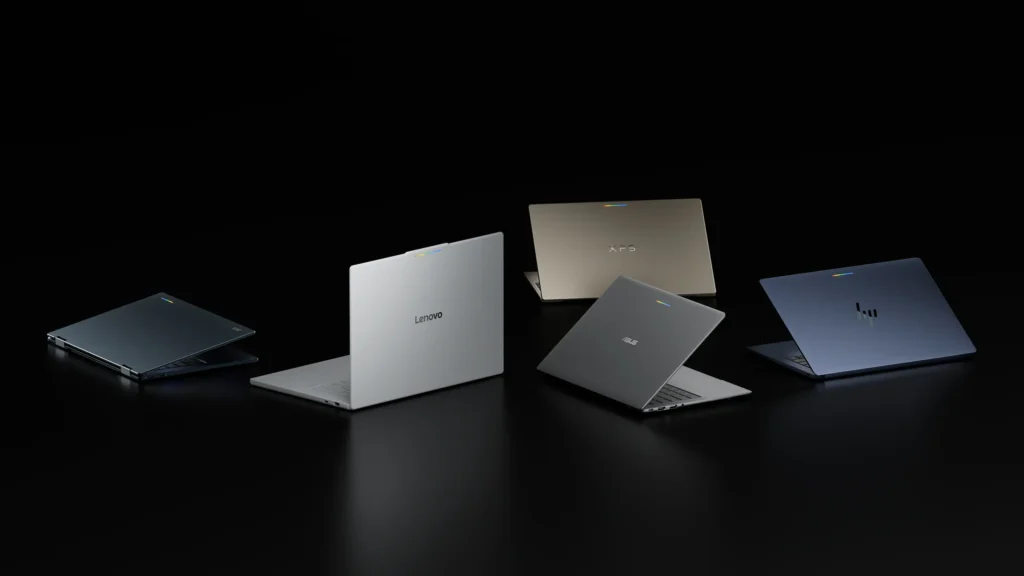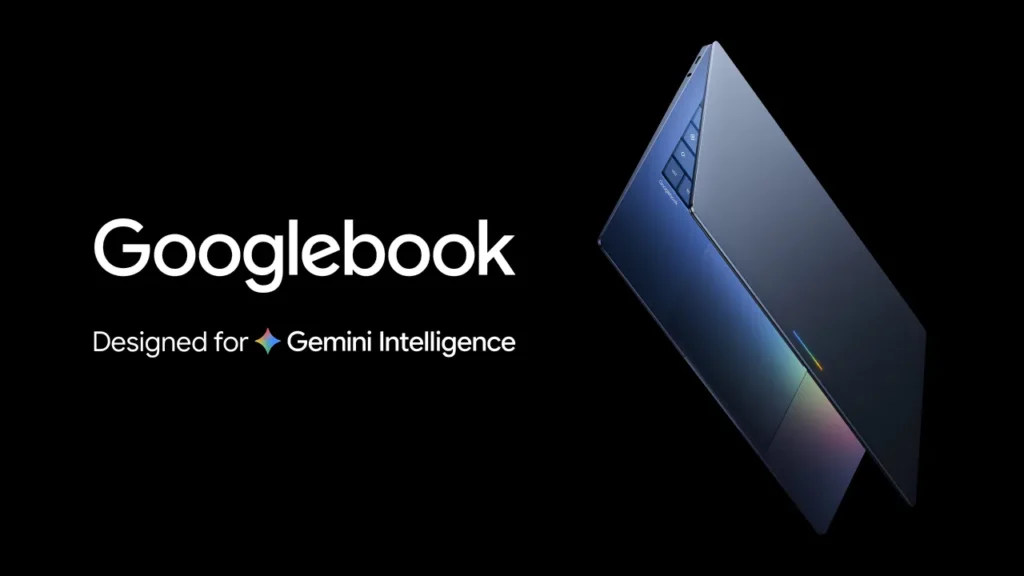
Google’s Android chief wants you to believe the company’s biggest software bet since Chrome OS is right around the corner. At MWC 2026, Sameer Samat, President of the Android Ecosystem, told Android Authority that Aluminium OS — the long-gestating project to fuse Android and Chrome OS into a single laptop platform — is still targeting a 2026 release.
“Yes, I’m super excited about later this year,” he said, with what the reporter noted was a brief, telling hesitation before the answer.
That hesitation might be warranted. Court documents from Google’s search antitrust trial, surfaced by The Verge, paint a less optimistic picture: Google’s own legal filings describe a rollout where only select “commercial trusted testers” get access in late 2026, with a full release — particularly for enterprise and education customers — pushed to 2028. For the schools and IT departments that made Chromebooks a classroom staple (holding roughly 50% of the US education market), that’s a long wait for clarity.
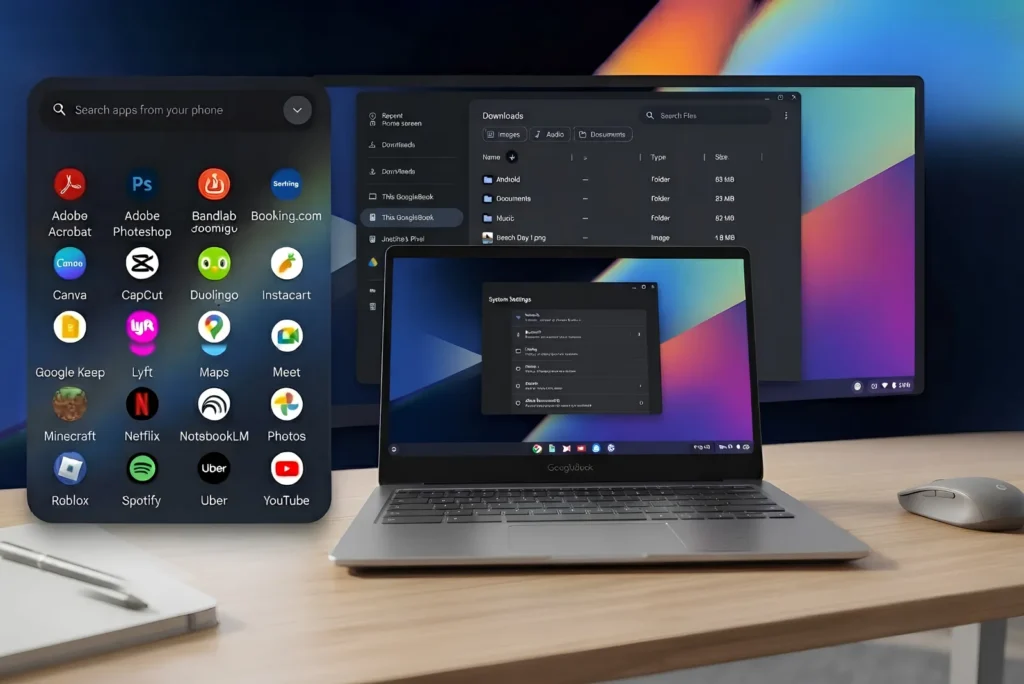
So what exactly is Aluminium OS? Think of it as Android, rebuilt from the ground up for keyboards, large screens, and desktop-class multitasking.
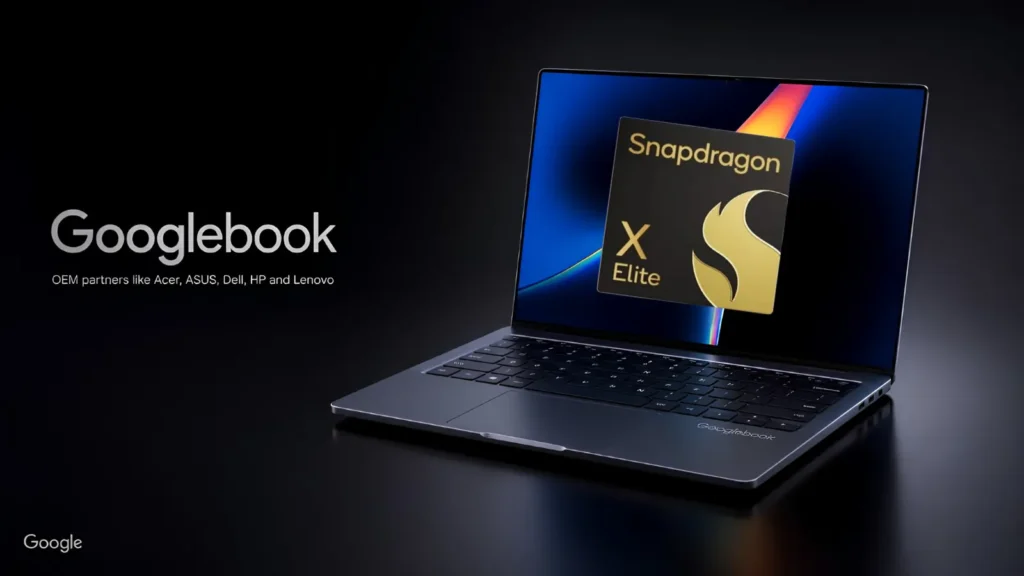
Internally codenamed after the periodic element — a deliberate nod to ChromeOS’s own Chromium roots — it drops Chrome OS’s Linux foundation in favour of Android 16/17, giving it native access to the Play Store’s app library alongside deep Gemini AI integration at the system level, not bolted on as an afterthought. Google is also working with Qualcomm on an ARM-based hardware foundation, targeting everything from budget “AL Entry” devices to high-end “AL Premium” laptops aimed squarely at MacBook territory.
The AI angle is central to Google’s pitch. Samat argues that laptops had quietly lost their cultural relevance as phones and tablets grabbed attention — but that generative AI is reversing that slide.
A keyboard and a big screen, he contends, are exactly the right tools for running complex AI workflows, and Aluminium OS is designed to capitalise on that. Cross-device continuity, similar to Apple’s Handoff feature, is also a flagship promise: Android 17 will include a new API that lets users pick up tasks seamlessly across their phones and Aluminium laptops.
Critically, Chrome OS isn’t being quietly killed off. Samat was direct: “Development for Chrome OS will absolutely continue as is.” Google appears to be building two parallel tracks — Chrome OS remains the lean, manageable, browser-first choice for schools and enterprise, while Aluminium OS targets the broader consumer laptop market where Android’s app ecosystem and AI features can stretch their legs.
Whether Google can actually thread that needle — maintaining one mature platform while shipping an entirely new one — is the real question. The company has a complicated history with ambitious software convergence projects. But with the Chromebook market projected to grow from $14.7 billion in 2025 toward $42 billion by 2034, Google has every financial incentive to get this right the first time.